 Botafogo de Futebol e Regatas
In the vastness of the black and white history, few moments resonate with the intensity and emotion of 1989. It wasn't just the conquest of a trophy; it was the breaking of a drought that seemed eternal, a cry of liberation after 21 long years of waiting, of taunts, and of unwavering faith. For Fogão, 1989 was no ordinary year; it was the year of redemption, of rediscovering glory in the Campeonato Carioca.
For over two decades, the Glorioso's supporters, known for their passion and loyalty, carried the weight of not lifting a state title. Jokes circulated, rivals celebrated, and Botafogo's jersey, which had once adorned some of the greatest footballing talents in the world, felt the absence of a new champion's stripe. But the Botafogo "raça" (grit) was never shaken. Each year, hope was renewed at General Severiano, fueled by the certainty that the Black and White would return to the top.
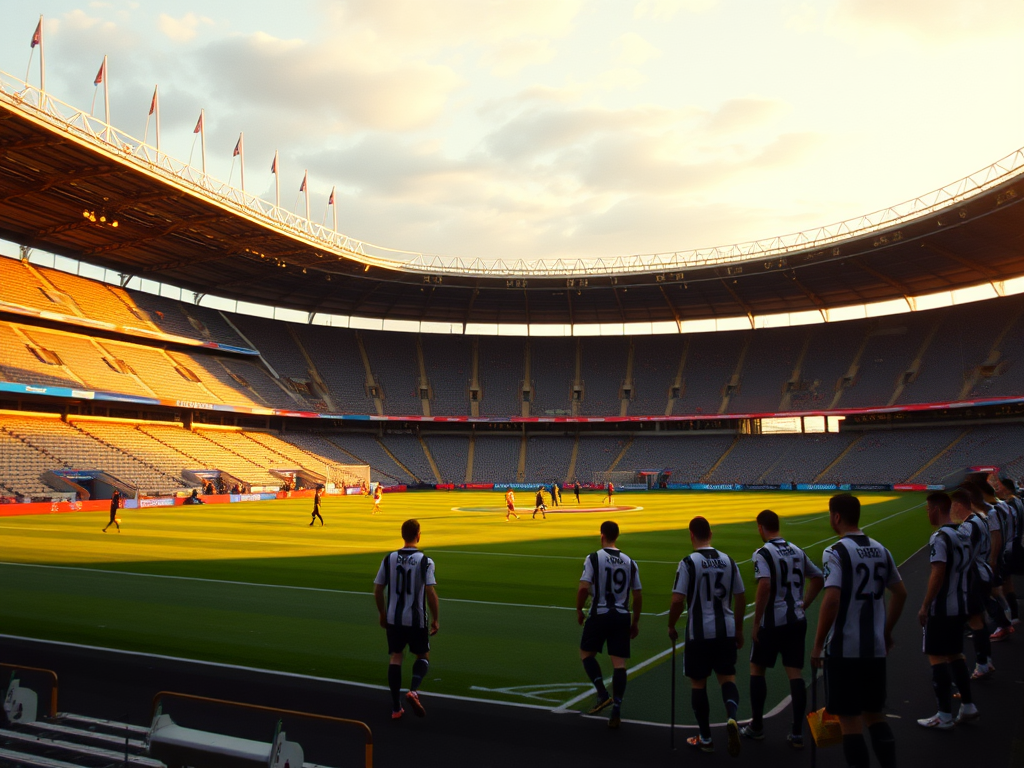
And the return came in grand style. Under the guidance of Valdir Espinosa, the 1989 team wasn't made of individual superstars, but of a fierce collective, of players who sweated for the jersey in every play. Mauro Galvão, the elegant and leading defender; Mazaropi, the secure goalkeeper; Paulinho Criciúma, the opportunistic striker; and Maurício, with his talent and decisive ability. This was the spirit of the team that would silence Maracanã and ignite the black and white half of Rio de Janeiro.
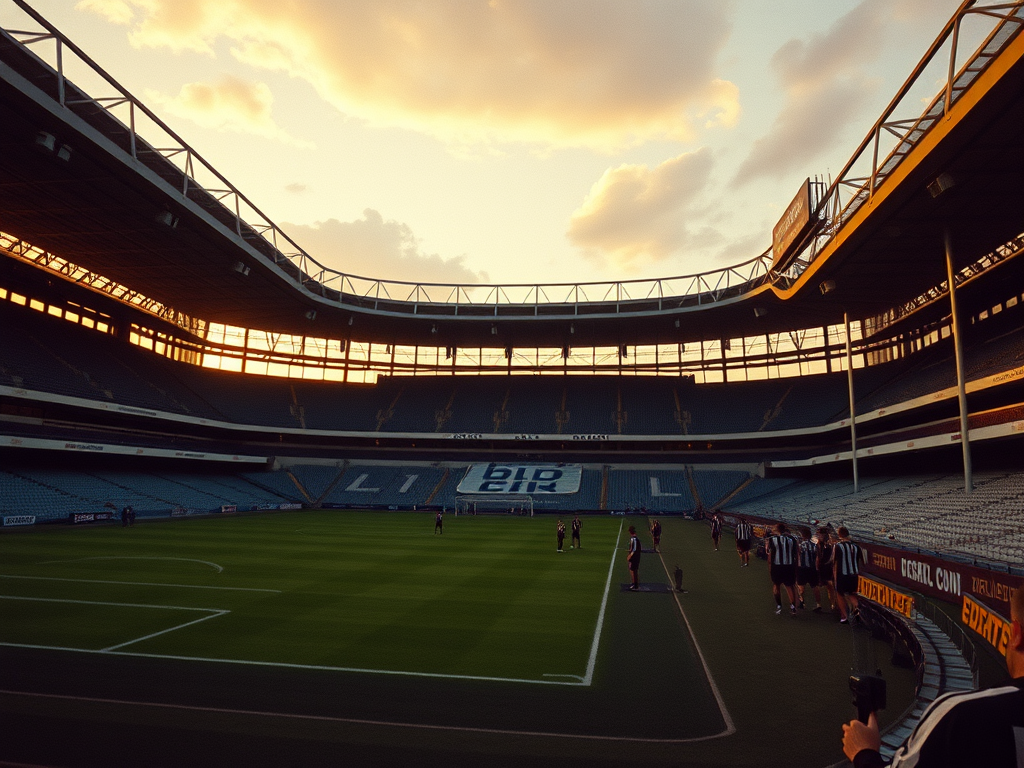
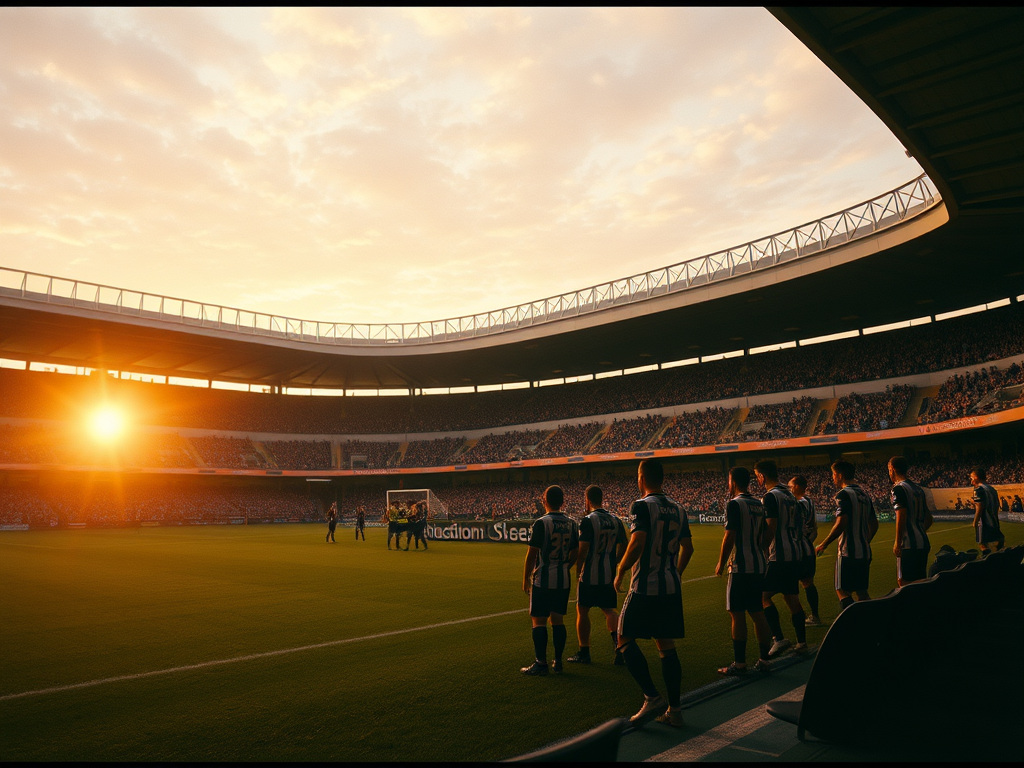
The campaign was built with resilience, overcoming opponents and doubts. The final, an electrifying derby against arch-rival Flamengo, promised to be an epic battle. The tension was palpable at the Monumental do Maracanã on June 21, 1989. The first leg of the final had already been a goalless draw. Now, the decider. Emotions were running high, the stands pulsed in black and white and red and black.
In the 14th minute of the second half, the magical moment happened. In a play down the left, the ball was lofted into the box. Paulinho Criciúma, with his characteristic goal-scoring instinct, anticipated the defense and headed it into the back of the net. Maraca erupted. A goal worth more than just a game, it was worth the liberation from a past of anguish. The 1-0 score was narrow, but the Botafogo defense, led by Mauro Galvão, held on with tooth and nail against every red and black advance.
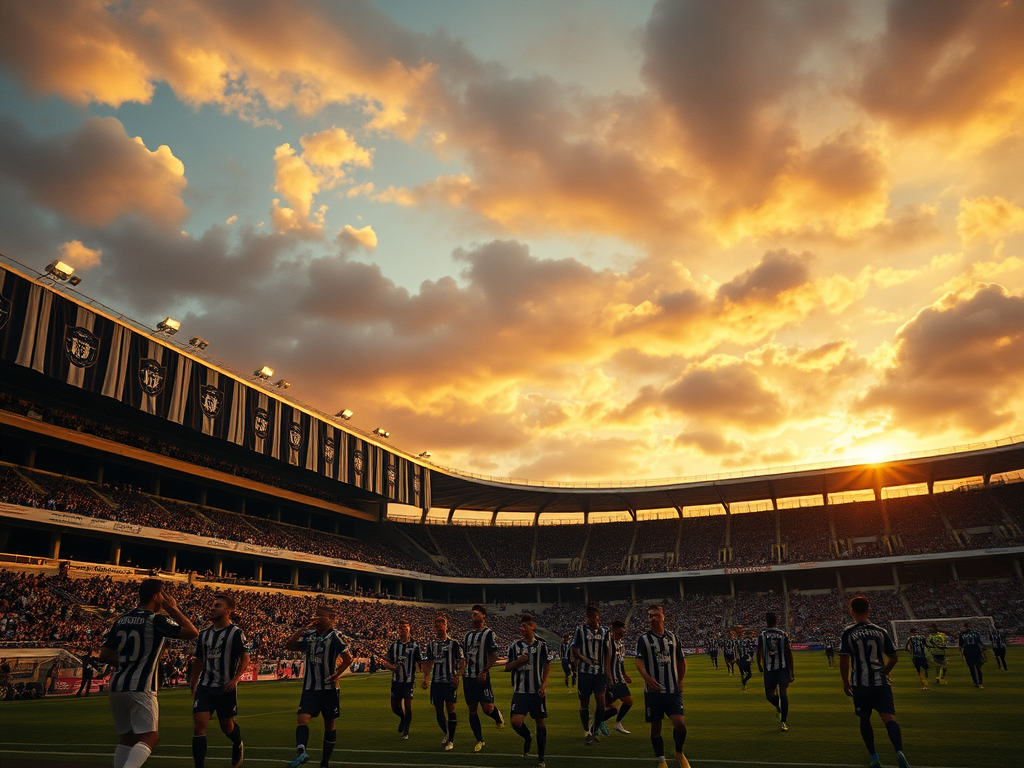
The final whistle was a thunderclap of joy. The "Generation of 89" entered history, not just for winning a title, but for breaking a paradigm, for bringing back joy and pride to a fanbase that deserved it so much. The streets of Rio de Janeiro were engulfed by a black and white wave, celebrating not only the victory but the perseverance, faith, and identity of Fogão.
That title, although regional, was a watershed moment. It reignited the flame of victory, showing that even in the most difficult moments, the "Estrela Solitária" (Lone Star) never fades. It was proof that the Botafogo "raça" is an inexhaustible fuel, capable of moving mountains and turning the longest wait into the sweetest of celebrations. 1989 lives in the memory of every Botafogo fan as a reminder that, for the Glorioso, the fight is constant and glory is eternal.