 Botafogo de Futebol e Regatas
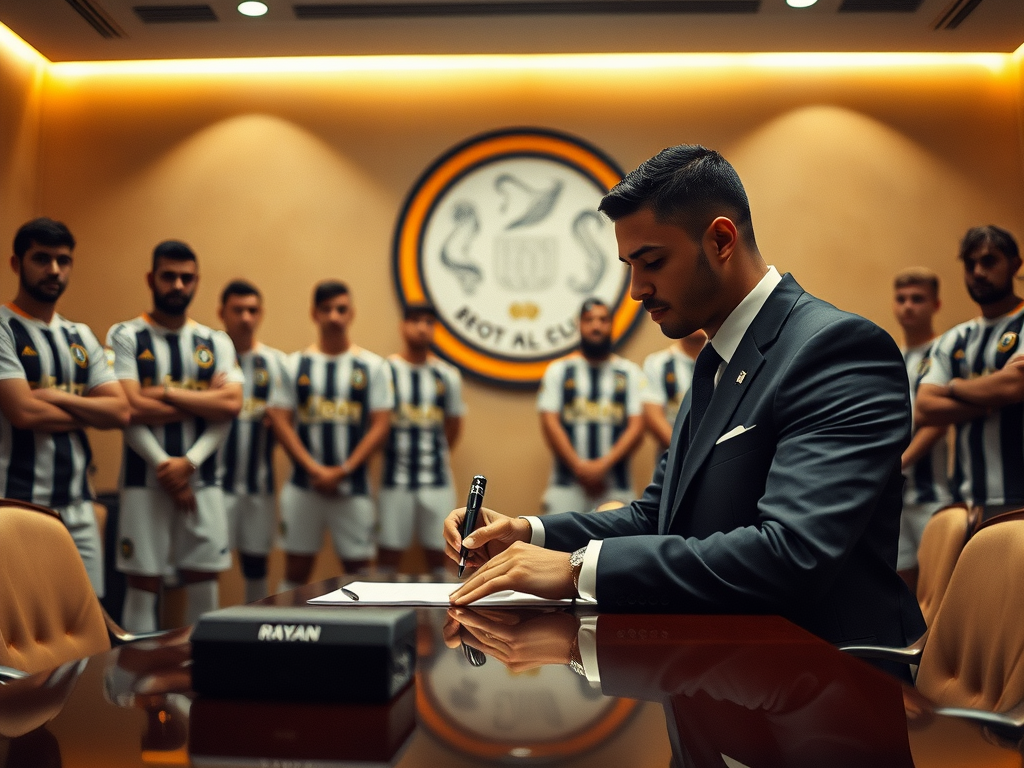
In 1968, Botafogo de Futebol e Regatas was on the brink of entering a new era under the leadership of Brazilian football icon, Zé Carlos. The team, already recognized for its individual talent, felt the need to reinvent itself in a football landscape that was constantly evolving. What followed was a tactical revolution that not only changed how Botafogo played but also left an indelible mark on Brazilian football.
Zé Carlos implemented a style of play based on ball possession and constant movement, where each player had a clear yet flexible role. This approach allowed Botafogo to dominate the midfield, a crucial aspect in a league where competitiveness was fierce. The quick transition between defense and attack became a hallmark of the team, leading to memorable matches that showcased the technical skill and tactical intelligence of the players.
One of the most emblematic moments of that season was the victory over Flamengo in the carioca classic, where Botafogo won with an engaging football style that left the fans ecstatic. This match was not just a victory in the statistics, but a testament to the new football philosophy that Zé Carlos had instilled. The Fogão was no longer just a team but a football machine that enchanted with the beauty of its plays and the efficiency with which it executed the proposed tactics.
Beyond the victories on the field, this tactical transformation also had a significant impact on the development of new talents. Players like Gerson and Rivelino, who would later become legends in Brazilian football, were molded in this environment of innovation and competitiveness. Botafogo's ability to identify and develop talent was one of the pillars that sustained its success during this period.
The legacy of that 1968 season still echoes today. Fans fondly remember the plays, the dribbles, and the victories that marked a new era for the club. The tactical revolution not only helped Botafogo win titles but also shaped the club's identity as a true protagonist in the Brazilian football scene. The echoes of that revolution still resonate at Estádio Nilton Santos, where the passion for the alvinegra shirt continues to inspire new generations of players and supporters.
The history of Botafogo is filled with ups and downs, but the 1968 season stands out as a milestone that reinforces the idea that football is, above all, an art in constant evolution. And as the club moves forward in search of new challenges, the memory of that tactical revolution continues to remind us of what it means to be part of the great Botafogo family.