 Botafogo de Futebol e Regatas
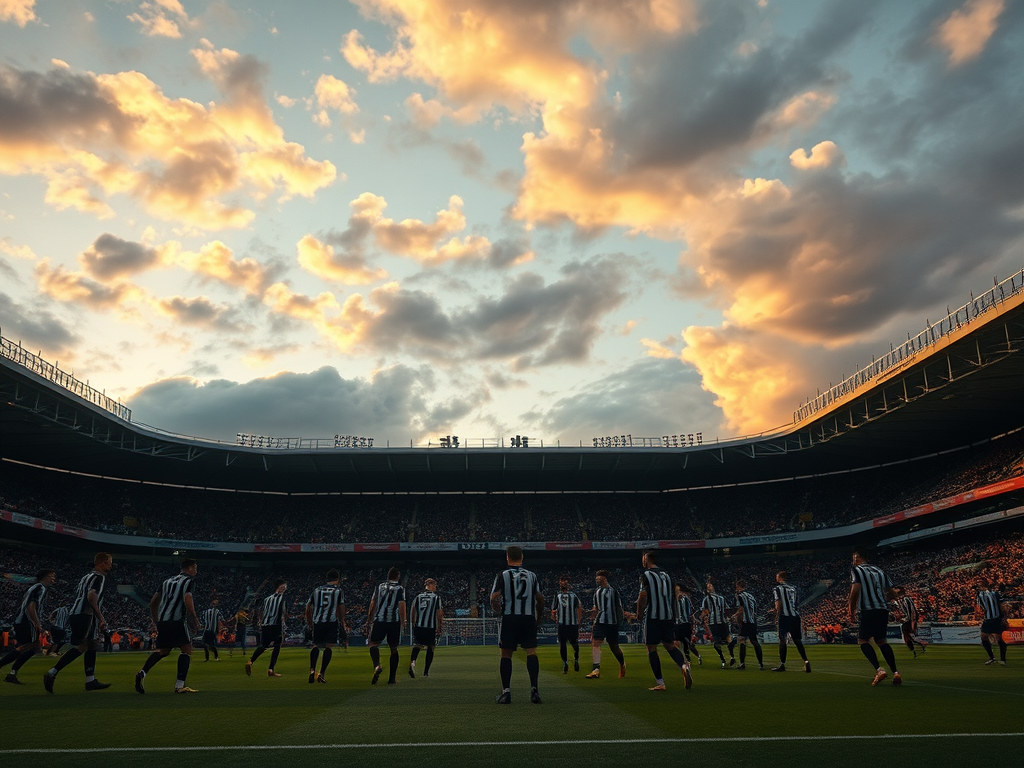
In the 1960s, Botafogo de Futebol e Regatas achieved a prestigious status that few Brazilian clubs could match. With a squad filled with talent, including the legend Garrincha, Fogão not only enchanted fans with an attractive style of play but also captured the attention of the football world.
In 1961, Botafogo won the Campeonato Carioca, establishing itself as one of Brazil's top teams. This title was vital for the club’s morale, especially after the retirement of icons like Nilton Santos, who had concluded a glorious career. The team, under the guidance of visionary coaches, managed to leverage the talented base it had and continue the tradition of significant achievements.
The period was also marked by the presence of other stars who joined Garrincha, such as midfielder Didi, who brought experience and class to the squad. The combination of individual skills and collective tactics made Botafogo a respected force in national and international competitions.
One of the most memorable moments of this decade was Botafogo's participation in the 1963 Copa Libertadores. Although the title did not come, the team’s performance in the competition elevated the club's status on the continental stage. The way Botafogo faced heavyweight opponents like Peñarol demonstrated the strength and determination of the Rio team.
Additionally, Botafogo stood out in international friendlies, attracting crowds in various parts of the world. The charisma of Garrincha and the skill of the squad drew massive audiences, and the team became a true ambassador of Brazilian football, taking the culture of the game to new frontiers.
The 1960s was not only a time of victories but also of forming a solid identity for Botafogo. The passion for victory and the relentless pursuit of excellence shaped the club into an icon of Brazilian football. The legacy left by this generation of players continues to inspire new generations of athletes and fans who still cheer for the black-and-white colors today.
Fogão, with its rich history, remains a symbol of resilience and ambition, always seeking to return to its prominent place in Brazilian and international football. The memory of the 1960s serves as a constant reminder that, no matter the challenges, the greatness of Botafogo will always find a way to shine.